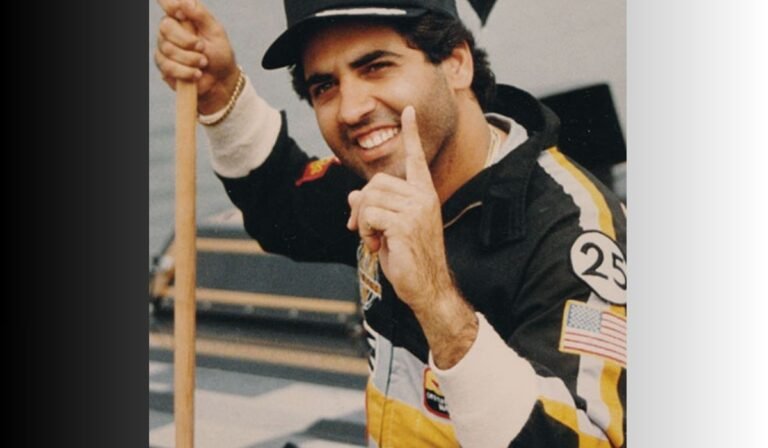
Pedro Franceschi Net Worth 2026 and the Brex Exit

Picture a receipt for a company sale. Line one reads $12.3 billion, Brex’s peak private market valuation from January 2022. Line two reads $5.15 billion, the transaction value Capital One announced when it agreed to acquire Brex in January 2026, a deal it completed on April 7, 2026. Line three, the one every reader actually wants, has no public number next to it at all: Pedro Franceschi’s personal payout from that transaction. This article walks through what each line on that receipt actually represents, and what it does not.
Capital One’s later SEC filing reports closing consideration differently, separating approximately $4.5 billion of shareholder consideration from roughly $1.1 billion of Brex debt settlement. Those accounting categories should not be treated as interchangeable with Pedro Franceschi’s personal proceeds.
Pedro Franceschi Net Worth in 2026
Forbes’ accessible profile for Pedro Franceschi contains historical information rather than a current post acquisition net worth estimate, so this article does not assign him a dated 2026 personal net worth figure. His publicly documented wealth history includes equity in Brex and an earlier Pagar.me exit, though no reliable source discloses his individual proceeds from either company’s sale. Capital One now owns Brex, and Franceschi remains CEO, but his exact ownership stake, cash holdings and after tax payout from the sale are not publicly disclosed anywhere in the sources reviewed for this article.
The Numbers Behind the Brex Deal
| Line item | Reported figure | Date | What it measures | What it does not reveal |
|---|---|---|---|---|
| Brex peak private valuation | Approximately $12.3B | January 2022 | A private market funding valuation (Forbes) | Brex’s final exit value or Pedro’s personal wealth |
| Announced transaction value | Approximately $5.15B | January 2026 | Capital One’s announced cash and stock deal value (Capital One) | Pedro Franceschi’s individual payout |
| Closing shareholder consideration | Approximately $4.5B | April 2026 | Total consideration reported at closing, per Capital One’s 10-Q (SEC filing) | Allocation among specific individual holders |
| Cash component | Approximately $2.6B | April 2026 | Cash component of consideration reported at closing in the 10-Q | Pedro Franceschi’s individual cash payment |
| Stock component | Approximately 10.6 million shares, fair valued near $1.9B | April 2026 | Stock component of consideration reported at closing in the same filing | Pedro Franceschi’s individual stock allocation |
| Brex debt settled by Capital One | Approximately $1.1B | April 2026 | Company level debt settlement reported in the 10-Q, separate from shareholder consideration | Founder cash proceeds |
| Pedro’s exact ownership | Not publicly disclosed at the 2026 closing | 2026 | The key missing input in any payout estimate | A basis for calculating a personal payout |
Key Takeaways
- Brex’s $12.3 billion mark was a 2022 private funding valuation, not a guaranteed sale price, and Capital One paid roughly 58 percent less than that peak mark.
- The $5.15 billion figure is the whole company transaction value, split among many shareholders, not a number paid directly to Pedro Franceschi.
- Forbes estimated in January 2022 that Franceschi and cofounder Henrique Dubugras each held about 14 percent of Brex, but that was a dated external estimate, not a disclosed cap table, and no source confirms their respective stakes stayed equal through dilution and the April 2026 closing.
- Franceschi remained CEO of Brex after the deal closed, continuing to lead the business inside Capital One.
- No audited or regulator disclosed figure for Pedro Franceschi’s individual proceeds, taxes, or remaining equity has been published.
Two Brazilian Teenagers Before Brex

Pedro Franceschi grew up in Rio de Janeiro and met Henrique Dubugras over a Twitter argument while both were still in high school in Brazil, according to Forbes. In 2013, while teenagers, the pair cofounded Pagar.me, a Brazilian payments processing company, which Brex’s own company bio says Franceschi helped build starting at age 15, scaling it to more than 100 employees and $1.5 billion in processed transactions within three years.
Stone, a Brazilian payments processor, acquired Pagar.me in 2016, and both founders moved to California, enrolling at Stanford that year according to Brex’s official bio. They lasted less than a year at Stanford, dropping out to join Y Combinator’s winter 2017 batch, where they initially pitched a virtual reality startup before pivoting, according to Forbes and TechCrunch. Both are cofounders of Brex, and Forbes estimated in January 2022 that each held about a 14 percent stake worth roughly $1.5 billion apiece at that point, though neither founder confirmed the figure and it reflects one moment in the company’s history rather than their ownership at the 2026 acquisition closing.
The pivot itself came from a practical frustration rather than a grand plan. Once in the United States, the pair found that newly arrived founders without an American credit history could not qualify for a corporate credit card at all, a gap that became the starting idea for Brex rather than the virtual reality concept they had originally pitched to Y Combinator.
The Fintech Product That Banks Wanted
Brex built what it calls an integrated finance platform combining corporate credit cards, spend management software, business accounts, bill pay and travel tools into one product rather than separate services, according to Capital One’s acquisition announcement. That bundling became useful for startups that traditional banks often declined to issue cards to at all, since young companies lack the credit history larger businesses have.
Corporate cards gave early customers daily spending power, while the expense management software layered automated approvals and accounting integration on top, and business accounts let companies hold operating cash directly with Brex rather than a separate bank. Bill pay and travel tools rounded the platform into something closer to a full finance department in software form, built for a startup that could not yet justify hiring one.
That bundled approach is part of why a traditional, heavily regulated bank like Capital One found Brex attractive as an acquisition target rather than simply building similar software internally. Brex had already spent years refining the product and customer relationships that would otherwise take a large institution significant time to replicate from scratch.
The Valuation High Water Mark
Brex’s $12.3 billion valuation came from a Series D-2 round in January 2022, led by Greenoaks Capital and TCV, which Forbes reported made both Franceschi and Dubugras billionaires on paper at the time. That figure came less than six months after an earlier round had valued the company at $7.4 billion.
A private valuation like that one is not revenue, profit, or cash on hand. It reflects what a small group of investors agreed to pay for a minority slice of the company at a specific moment, under funding market conditions that shifted considerably over the following years as fintech valuations broadly reset lower. The same gap between a headline valuation and an owner’s real equity shows up across private company wealth stories generally, including how Ben Francis’s estimated fortune is tied to Gymshark’s valuation rather than a daily stock price.
The Acquisition Price as a Financial Receipt

Capital One announced its agreement to acquire Brex in January 2026 and completed the transaction on April 7, 2026, describing the deal as a combination of stock and cash valued at approximately $5.15 billion. Centerview Partners advised Brex on the transaction, per the same announcement.
That $5.15 billion announced figure is the company purchase price, the number covering consideration distributed across Brex’s full shareholder base, not an amount paid to any single person. Capital One’s own 10-Q filing with the SEC states that total shareholder consideration at closing came to approximately $4.5 billion, made up of about $2.6 billion in cash and 10.6 million Capital One shares with a fair value of roughly $1.9 billion at that date, separate from the roughly $1.1 billion of Brex debt Capital One settled on completion. None of those filings identify what portion of the shareholder consideration flowed to founders specifically, as opposed to employees and venture investors.
Brex’s later stage backers, including TCV, GIC, Baillie Gifford and Durable Capital Partners, had invested at valuations of $7.4 billion or higher, according to TechCrunch, meaning the deal likely landed below their entry price even as it still delivered liquidity, a reminder that the same $5.15 billion figure can represent very different outcomes depending on when and at what price any individual shareholder bought in.
What Public Filings Do And Do Not Show
A deal of this size generates headlines about one total number, but that number compresses several separate financial questions into one figure.
- Capital One’s SEC filings confirm the cash and stock split for shareholders as a group, and the separate debt payoff, at the company level.
- They do not confirm Pedro Franceschi’s individual ownership percentage at the time of the sale.
- They do not confirm how taxes, vesting schedules, or any post closing retention terms affected what Franceschi personally received.
- They do not confirm whether Franceschi sold his full stake, retained equity, or converted holdings into Capital One shares.
Why a Lower Exit Price Is Not a Simple Failure Story
Capital One’s $5.15 billion price sits well below Brex’s 2022 peak, a gap TechCrunch described as a steep discount to that earlier private mark. That gap reflects a broader reset across fintech valuations between 2022 and 2026, not necessarily a judgment on Brex’s underlying business performance.
A 2022 private funding valuation and a 2026 strategic acquisition price are measuring different things under different market conditions years apart. Whether this outcome was good or bad for any specific shareholder depends on what price they originally invested at, information this article does not have for Pedro Franceschi specifically, so no verdict is offered here.
Brex itself weathered a difficult stretch between those two dates, including a 2023 period of layoffs and a narrowing customer focus toward larger, better funded businesses rather than early stage startups, developments widely reported at the time. This article does not attribute a specific internal motive to those changes beyond what was publicly reported.
The CEO Who Stayed After the Sale
Franceschi continued as Brex’s chief executive once the Capital One deal closed, operating the business as part of the larger bank rather than departing, according to Capital One’s own announcement. Founders sometimes remain in place after an acquisition because their operating knowledge and relationships with existing customers carry real value to the acquiring company during integration.
No reliable source has disclosed whether Franceschi’s continued role came with a new employment agreement, retention bonus, or earn out tied to performance targets, so this article does not speculate about any of those terms. Capital One has framed the acquisition as a way to add Brex’s software driven business banking and payments capabilities to its existing scale in underwriting and banking, rather than absorbing Brex purely as a customer list.
The Unanswered Line Items
This is the section that matters most for anyone trying to translate a company sale into a personal wealth figure, because the gaps here are exactly why no reliable net worth number exists for Pedro Franceschi in 2026.
What can affect a founder’s payout in an acquisition
- The founder’s exact ownership percentage at the time of sale, which dilutes with every funding round a company raises, since each new round typically issues fresh shares that reduce an earlier holder’s proportional stake.
- Preferred share terms negotiated by later investors, which can pay those investors before common shareholders in certain outcomes.
- Taxes owed on the sale, which vary by jurisdiction, holding period, and whether shares were qualified for favorable treatment.
- Vesting schedules and any unvested equity that may be forfeited or accelerated depending on deal terms.
- Whether consideration was cash, stock, or a mix, since stock consideration carries its own future price risk rather than locking in a fixed value.
What the $5.15B Brex deal does not tell us
- It does not tell us what percentage of Brex Pedro Franceschi owned when the deal closed.
- Although Capital One’s SEC filings disclose the cash and stock split at the company level, they do not tell us how much of that consideration went to Franceschi individually versus any other shareholder.
- It does not tell us Franceschi’s personal tax liability from the transaction.
- It does not tell us whether he retained any equity position inside Capital One after the deal.
- It does not tell us what, if anything, he earned or earns from his Pagar.me exit a decade earlier, separate from Brex entirely.
Company valuation is what investors agree a business is worth at a given funding round. Acquisition price is the total figure a buyer pays for the whole company. Shareholder consideration is how that total gets distributed across everyone who holds equity. Founder equity is the specific slice one person owns within that distribution. Personal net worth is an outside estimate of what all of someone’s assets, including that equity, would be worth if converted to cash today. Liquid cash is the only one of these that reflects money a person could spend right now, and for Pedro Franceschi, it is also the one about which nothing has been publicly disclosed.
An acquisition adds one more layer of difficulty beyond an ordinary private valuation estimate, since a completed sale fixes a final company price while leaving the division of proceeds among individual shareholders invisible from the outside. That is a different problem than estimating wealth from an ongoing private valuation, the kind of exercise behind a figure like Palmer Luckey’s Anduril linked net worth estimate, where the company has not yet been sold at all.
What Comes After Brex
Franceschi’s current, publicly confirmed role is continuing to lead Brex as CEO within Capital One’s business banking operations, per the company’s own completion announcement. Capital One has framed the acquisition as a way to combine Brex’s software and payments expertise with its own scale in underwriting and banking.
This article does not speculate about future projects, investments, or plans beyond what Capital One and Brex have stated publicly, since nothing further has been officially confirmed at the time of this reporting.
Franceschi’s wealth story also illustrates a broader pattern worth keeping in mind when comparing founders across industries. A figure like Elon Musk’s net worth is anchored to publicly traded shares that reprice every trading day, while Franceschi’s financial picture depends on a single private transaction whose internal terms were never fully disclosed, a far less transparent kind of wealth to estimate from the outside.
The Brex Timeline From Pagar.me to Capital One
- 2013, Franceschi and Dubugras cofound Pagar.me in Brazil as teenagers.
- 2016, Stone acquires Pagar.me; both founders move to California and enroll at Stanford.
- January 2017, Franceschi and Dubugras drop out of Stanford and found Brex after joining Y Combinator’s winter batch.
- January 2022, Brex raises funding at a $12.3 billion valuation, its private market peak.
- January 2026, Capital One announces a definitive agreement to acquire Brex for approximately $5.15 billion.
- April 7, 2026, Capital One completes the acquisition; Franceschi continues as Brex CEO.
How The Money Actually Flows
Brex founders and investors, then private funding rounds, then a $12.3 billion peak private valuation, then a Capital One cash and stock acquisition, then shareholder consideration and company level deal mechanics, then an individual founder payout that remains undisclosed. This is a transaction flow diagram, not a calculation of Pedro Franceschi’s personal proceeds.
Four Numbers That Are Not the Same Thing
| Number | What it represents | Why it differs from Pedro Franceschi’s personal net worth |
|---|---|---|
| $12.3B peak Brex valuation | A January 2022 private funding valuation | Not a sale price or a personal balance; valuations can rise and fall before any exit |
| $5.15B Capital One deal | Whole company transaction value announced in January 2026, with closing terms detailed in Capital One’s SEC filings | Includes every shareholder as a group, not one person’s individual share |
| Pedro Franceschi’s personal wealth | No reliably sourced current estimate exists | Depends on ownership percentage, taxes and other assets that have not been made public |
| Pedro Franceschi’s liquid cash | That allocation has not been made public | Cannot be inferred from the deal price or any public filing |
Frequently Asked Questions
What is Pedro Franceschi’s net worth in 2026?
No current, dated net worth figure for him has been published by Forbes or another reliable source since the Capital One deal closed. His wealth is tied to his Brex ownership, but his exact stake and cash holdings have not been made public.
How did Pedro Franceschi make his money?
He cofounded Pagar.me in Brazil as a teenager, sold it in 2016, then cofounded Brex in 2017 with Henrique Dubugras, building it into a fintech platform Capital One acquired for about $5.15 billion in 2026.
How much did Pedro Franceschi make from the Brex acquisition?
That figure has not been made public. Capital One’s SEC filings disclose the roughly $4.5 billion in total shareholder consideration, but not how it was split among individual shareholders, and Franceschi’s ownership percentage has never been confirmed.
Is Brex owned by Capital One?
Yes. Capital One completed its acquisition of Brex on April 7, 2026, and Brex now operates as part of Capital One’s business banking operations.
Why did Capital One pay $5.15 billion for Brex?
Capital One said the deal combines Brex’s spend management software and payments expertise with its own underwriting scale and banking infrastructure, though the exact rationale behind the specific price has not been detailed publicly.
Is Pedro Franceschi still the CEO of Brex?
Yes. Capital One confirmed he continues to lead Brex as chief executive following the deal’s completion.